
You’ve probably thought this at some point…
“Why does no one explain how this actually works?”
You ask a builder, they tell you to talk to a bank. You ask a bank, they talk in circles.
And now you’re stuck trying to make a million-dollar decision… with half the information.
Here’s the truth: If you don’t understand how construction financing works, the process will feel stressful, unclear, and risky.
First… Your Builder Shouldn’t Be Your Banker
At Hometown, we design and build homes. We don’t finance them. Not because we can’t… but because we shouldn’t.
Same reason your realtor doesn’t finance your mortgage.
There are financial institutions for that. They handle:
Lending
Risk
Approvals
We focus on:
Designing your home
Pricing it properly
Building it without chaos
Also, something most people don’t realize… Banks prefer builders who offer fixed price contracts because it removes uncertainty like:
No budget creep
No surprise upgrades
No “we’ll figure it out later”
From a lender’s perspective… fixed price = predictable. And predictable = safe.
How the Process Actually Works (In Saskatchewan)
Let’s walk through a real example so this makes sense.
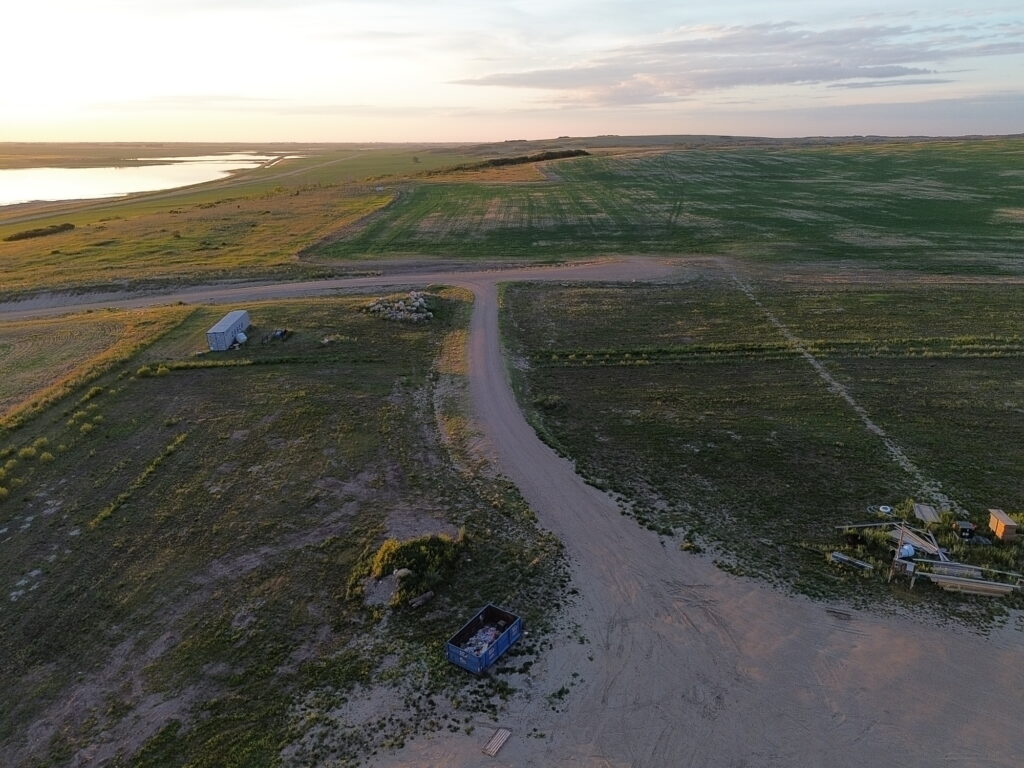
Step 1: You Buy the Land
Let’s say:
Land = $350,000 + GST
GST (5%) = $17,500
Total Land = $367,500
You either:
Buy the lot yourself, or
Work with us if it’s not publicly available
Either way… you need to own the land.
Step 2: You Secure a Construction Mortgage
Now your lender steps in.
In Saskatchewan, credit unions are usually the easiest to work with for custom homes.
They’ll review:
Your income and financial position
Your land value
Your fixed price contract
Now here’s where we’re different… Our fixed price includes everything needed to build your home. No hidden extras or unknown allowances.
Let’s Look at a Real Example
Build (fixed price): $1,500,000 + GST & PST
GST (5%) = $75,000
PST (6%) = $90,000
Total Build = $1,665,000
Total Project (What the Bank Looks At)
Land: $367,500
Build: $1,665,000
Total Project ≈ $2,032,500
If you already own the land, that $367,500 often counts toward your down payment.
Step 3: The Draw Process (Where Most People Get Confused)
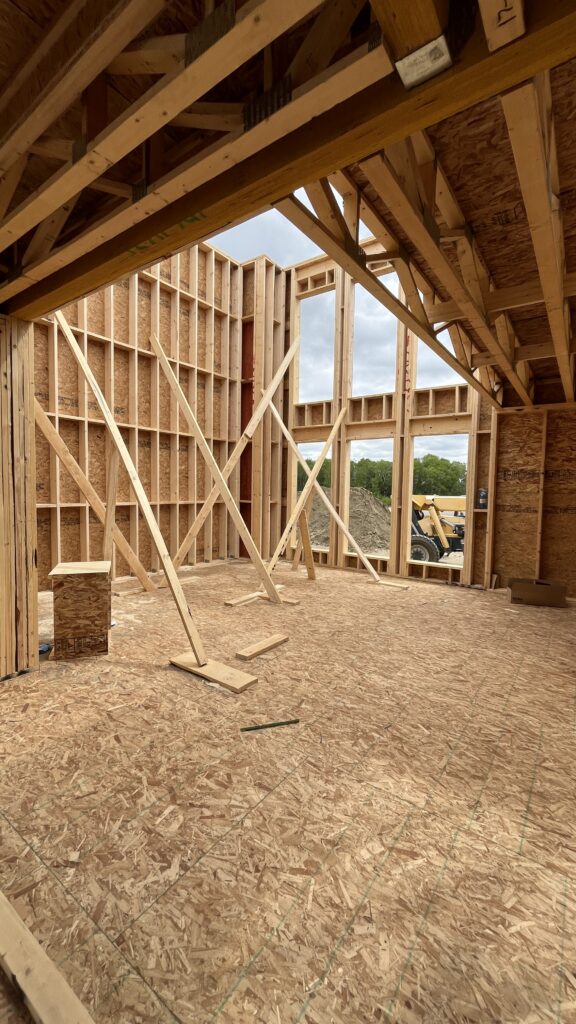
The bank doesn’t give you $2M upfront. They release funds in stages. The typical structure is:
20% at foundation
20% at framing
20% at lock-up
20% at interior
20% at completion
On a $1.5M build, each stage is about $300,000
Let’s Walk Through It…
Stage 1: Foundation
You pay: ~$300,000
Work gets completed
Then:
The bank sends an appraiser
They confirm progress
The bank releases ~$300,000 back to you
Sounds simple… but here’s where it gets tricky.
The Part No One Explains Properly
At Hometown, we don’t own your land. So to reduce risk and keep your project moving, we front-load the job.
Meaning:
You pay first
Then work happens
But… The bank only pays after the work is complete. So you need to cover that first stage upfront.
So How Do People Actually Make This Work?
Most clients bridge that gap using:
Savings
A line of credit
Short-term access to funds
Once the stage is complete, the bank reimburses you through the draw. It’s a bit of a leapfrog situation. Not complicated… just rarely explained clearly.
A Few Things You’ll Want to Know. Let’s keep this practical.
Appraisals happen at each stage
The bank verifies progress before releasing fundsThere’s a 10% holdback
Required by law
Held in trust (usually by your lawyer) until completionYou only pay interest during construction
Not full mortgage payments yetIt converts at the end
Once complete, your construction mortgage becomes a regular mortgage
Why This Actually Works in Your Favour
This system might feel clunky at first, but it protects you.
The bank verifies the work
Payments match real progress
Risk stays controlled
And because you’re working with a fixed price builder, your numbers stay stable, your lender stays confident, and your stress stays manageable.

The Bottom Line
When you understand how construction financing works, the entire process feels more predictable and in your control. That’s the goal. Because building your home shouldn’t feel like guessing with your money.
What You Should Do Next
Before you move forward, talk to a lender or a mortgage broker and ask:
How do your draw schedules work?
Can my land be used as equity?
How much cash do I need upfront?
Get clarity early because it makes everything else easier. And if your lender needs any clarification on the builder’s process, we’re happy to chat with them directly.
If you want a full breakdown of what to expect before you build…
👉 Download “7 Things to Know Before Building Your Custom Home”
It’s the guide people wish they had before they started.