The Biggest Heartbreak in Custom Home Building…
Picture this.
You hire a fancy design firm.
You get stunning drawings.
The renderings look like they belong in a magazine.
You start imagining Christmas morning in that new living room…
Your friends saying, “Wow, this is unreal.”
Your spouse finally getting the dream kitchen.
Then you take the design to a builder.
And they say…
“Yeah… this is beautiful. It’s also way over budget.”
Cue the silence, cue the panic, and cue the “maybe we just renovate instead” conversation.
Here’s the truth:
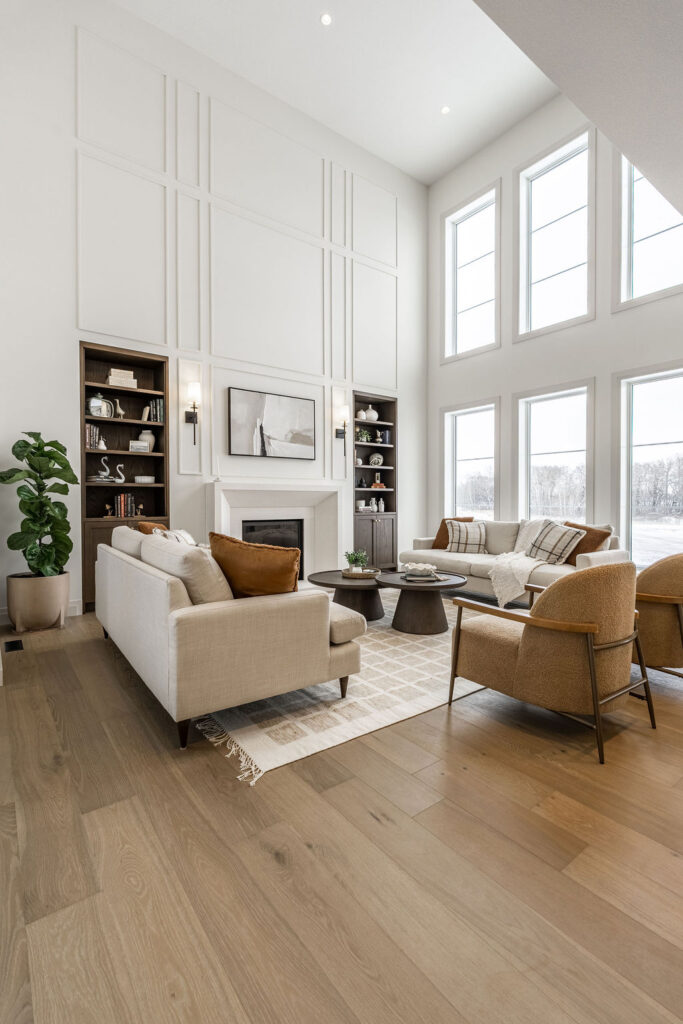
The Design That Looks the Best Isn’t the One that Wins. The Design That Gets Built Does.
That’s what this whole article comes down to.
Design firms are amazing at design… but they don’t live in construction costs.
A design firm can create a jaw-dropping house. No question.
They’re the ones who:
Push the style
Layer in all the details
Create that “wow” factor
But here’s the issue…
They aren’t usually pricing things daily like builders do. They don’t feel the cost impact of every decision in real time.
So what happens?
They design the dream home. Then someone else has to price it. And sometimes… reality shows up with a baseball bat.
This is why you’ll hear stats like 6 out of 10 designs don’t get built because they’re too over the top or don’t match the budget.
Not because the clients are unreasonable. Because the design got created without the cost guardrails in place.
“Over-Designed” is a Real Thing (and It Gets Expensive Fast)
Over-designed doesn’t mean “too pretty.”
It means:
Too many custom details
Too many expensive decisions stacked together
Too much “extra” without knowing the total impact
It’s like planning a vacation, booking first-class flights, a five-star hotel, a private chef, and a yacht…Then checking your bank account after.
A Real-Life Example: The Light Fixture That Doesn’t Exist
This summer, while hiring for another design team member, we interviewed a variety of excellent candidates.
And something kept coming up that flabbergasted us.
The candidates who worked as design firms were all doing conceptual-based work.
Here’s what that can look like:
A designer opens their software. They pick a light fixture from thousands of options within the program. It looks incredible in the rendering.
Then construction starts…
And the builder has to source that light fixture.
But sometimes:
It’s discontinued
It’s not sold in Canada
It’s a 14-month lead time
It costs triple what anyone expected
Or it literally doesn’t exist outside the design software
So then you “pick something similar”…
And now your dream rendering becomes “It’ll be kinda like this”.
That’s not what you want when you’re building a high-end custom home.
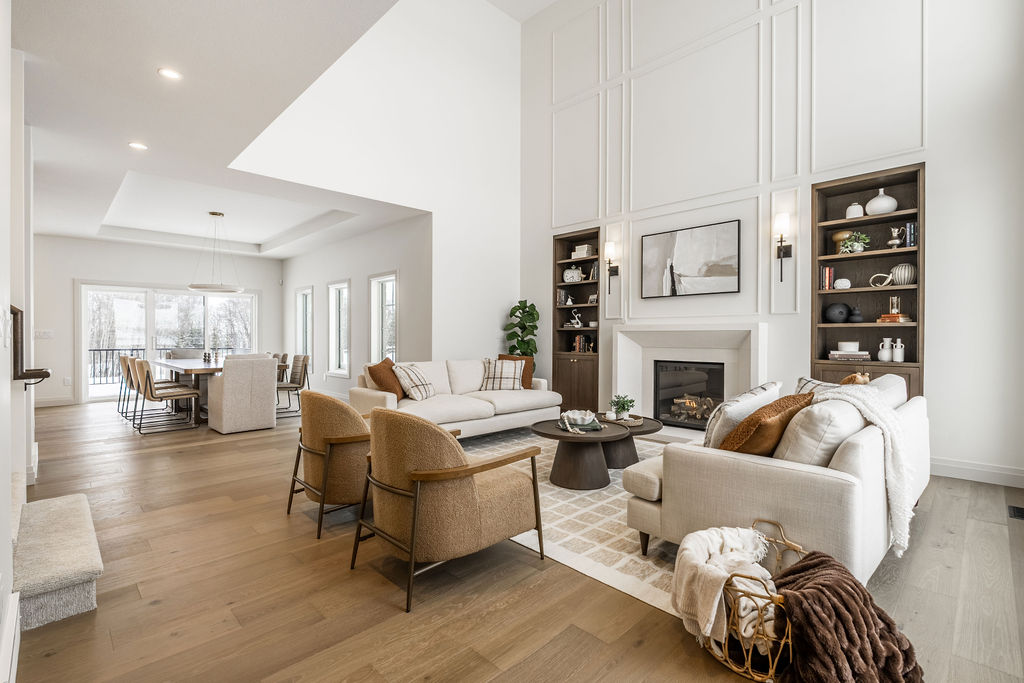
What a Design-Build Firm Does Differently (Without Pretending We’re Psychic)
Let’s clear something up:
A design-build firm still needs the design to be 100% complete before a fixed price can be determined because a fixed price only works when every detail is decided.
But here’s the big difference…
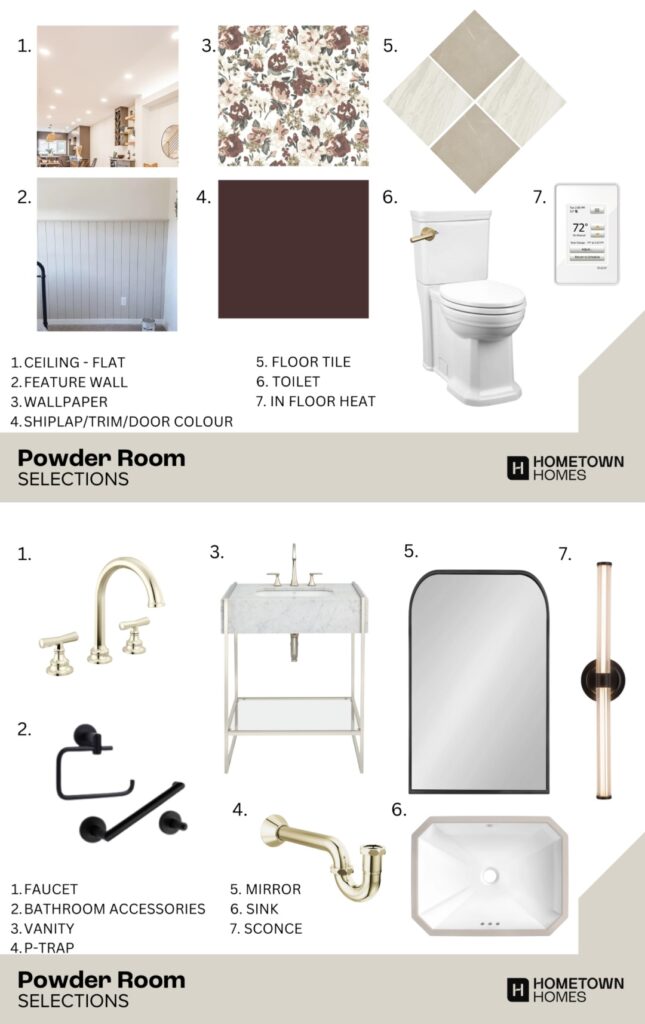
During design, we gather pricing on selections as we go
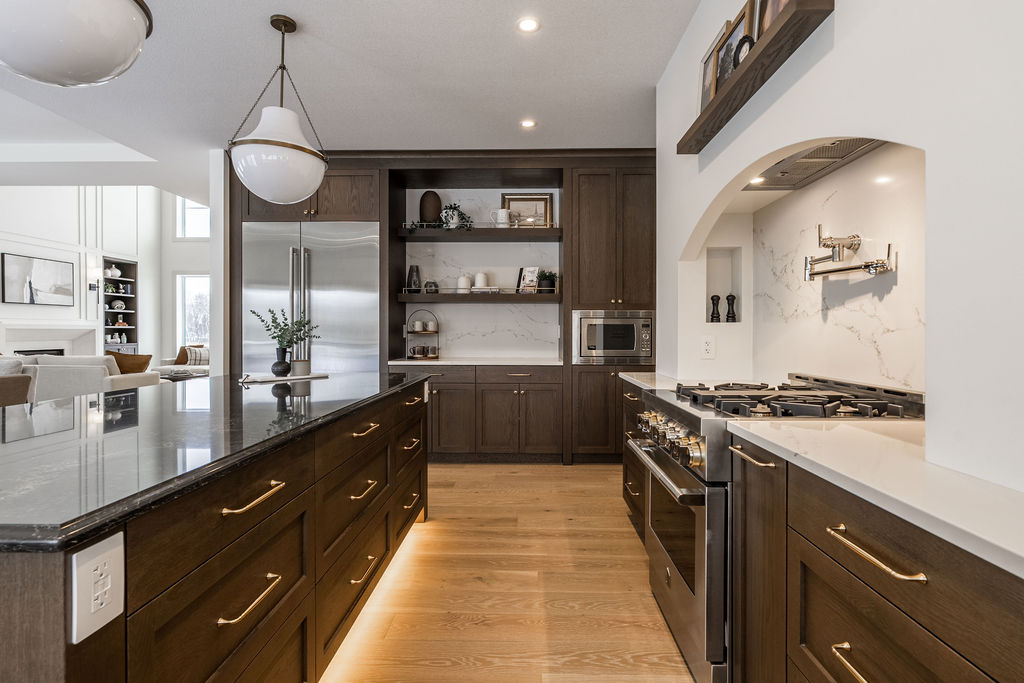
While we design, we price real things like:
Cabinets
Flooring
Tile
Plumbing fixtures
Lighting
Exterior finishes
Interior finishes
So you don’t just get a beautiful plan… You get a plan that stays connected to your budget in real time.
This is where design-build protects you.
Because when you know what things cost while you design… you make better decisions.
You choose where to splurge, where to save, and ultimately, you stay in control.
And yes, even if you’re building a $5M home… you still do this. Because rich people don’t get rich by winging it.
Then at the end, we submit everything to our team of trades and suppliers for final pricing.
Once the design is complete, we package up all those finalized selections and details, then submit them to all trades for their bid requests.
That means our vendors price based on:
The real plan
Real selections
Exact details
True scope
Not assumptions or guesswork. That’s how you get a fixed price that actually means something.
The Biggest Advantage: One Process, One Point of Contact, Less Stuff to Get Missed
Here’s something most people don’t think about… A design-build firm designs and builds homes the same way every time.
We’ve got:
One process
One documentation system
One communication style
One team driving the whole thing
We improve it project after project, tighten it up and perfect it.
Now compare that to a custom builder working with outside design firms…
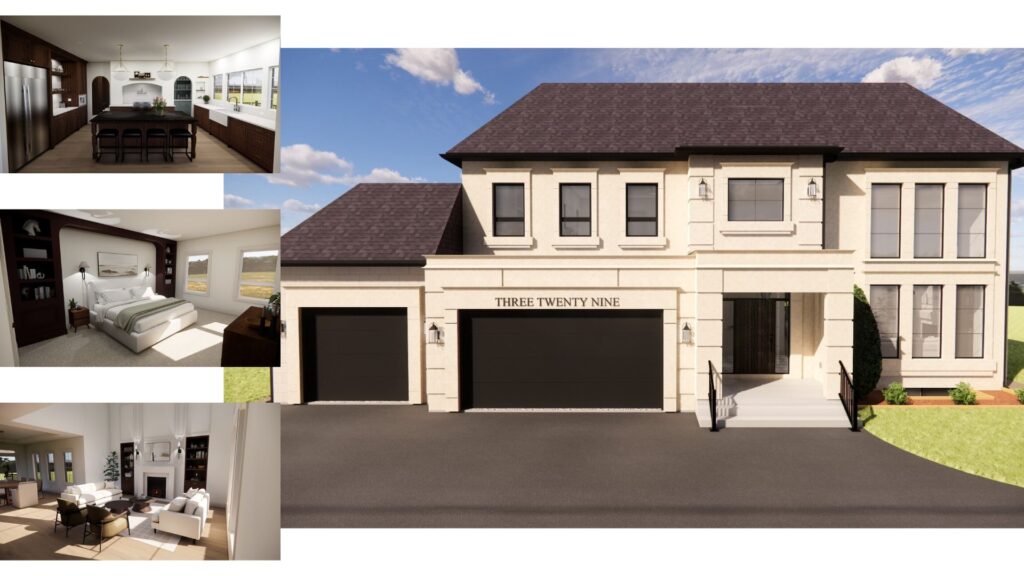
That builder might deal with multiple designers, and every designer has their own:
Drawing style
Layout preferences
Schedules
Communication habits
“We always do it this way” energy
So the builder has to constantly switch gears. And that’s where things get missed.
Not because people don’t care… But because the system is messy. And messy systems create expensive mistakes.
So… which one should you pick?
If you want high-end design AND a smoother build experience, here’s the simplest way to decide:
Choose a design firm if:
You want design only
You already have a builder lined up
You’re okay with extra handoffs
Choose a design-build firm if:
You want the design to match your budget
You want fewer surprises
You want one team owning the full result
Because again… The design that looks the best isn’t the one that wins. The design that gets built does.
One More Thing: The Concept Phase is Where the Guardrails Start
For us specifically, we don’t jump straight into full design right away.
Our Concept Phase is the first step.
It gives you:
A rough floor plan (so you can see the layout and flow, also in 3D!)
A rough budget (so you know what you’re signing up for)
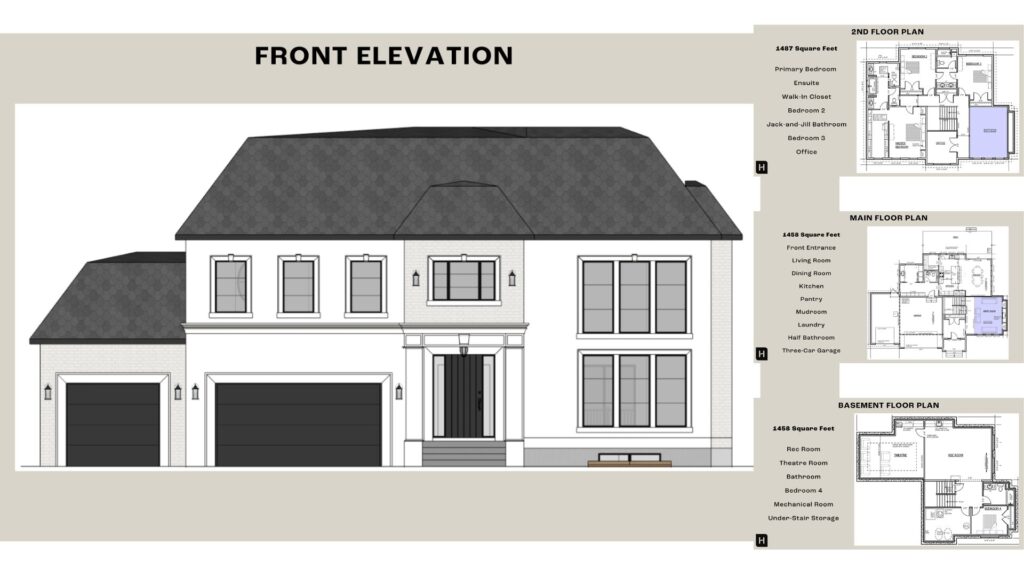
Ultimately, our Concept Phase was created as the first step that sets the guardrails on your budget and determines what’s feasible before moving into the Design Phase.
Because once you know the general size, layout, and cost direction… you can move into the Design Phase with way more confidence.
Instead of designing your dream home first and then finding out it costs a fortune… you start with realistic boundaries from day one.
Because designing a home (whether through a design firm or a design-build firm) is a large investment in itself but is the key to a stress-free build.
Your Next Step (So You Don’t Waste Time or Money)
Before you hire anyone, ask this question: “How will you make sure my design aligns with my budget before construction starts?”
If the answer is fuzzy… that’s your sign. You deserve a plan that doesn’t collapse the moment pricing hits.
Learn more about what else to look for in a builder by downloading our Free Guide:
“The Ultimate Guide to Choosing a Home Builder”